This is a very big deal and has been widely publicized. I have friends who died too soon from pancreatic cancer. Below is the editorial from the Wall Street Journal which I’ve excerpted from.
The FDA approves a new therapy against one of the deadliest cancers.
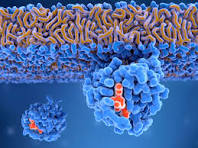
Oncologists herald the small-molecule pill as a revolution in pancreatic cancer care. The prognosis for pancreatic cancer is typically bleak, with a five-year survival rate of about 3% for Stage 4. Patients fare better if their cancers are caught early (40%), but very few are.
********************
These mutations are adept at evading targeted treatments and were long considered “undruggable.” Revolution’s daraxonrasib upends this assumption. Patients in its trial lived a median of 13.2 months, compared to 6.7 months for those who received chemotherapy. The drug also reduced the risk of death by 60% compared to the chemotherapy group.
These results would be impressive for any cancer drug, but especially for a disease that has defied treatment. When former Nebraska Sen. Ben Sasse was diagnosed with Stage 4 pancreatic cancer in December, he was given three to four months to live. He’s still living, we are delighted to say (and writing for these op-ed pages), after receiving daraxonrasib as part of a clinical trial.
Daraxonrasib may not cure most patients, but it could give them precious more time with loved ones and help them hang on while other experimental treatments are developed. AI models and blood tests that detect cancers earlier could also improve the prognosis.
The Mayo Clinic this year reported that its AI model could allow specialists to detect pancreatic cancer on routine abdominal CT scans up to three years before it is typically diagnosed by picking up on subtle changes not visible to the human eye. Many cancers like melanoma were once also considered “terminal,” as doctors used to say, until breakthrough treatments came along and they weren’t.